Rice imports hit record high, vape smuggling seized, and DTI reports business registration uptick
A daily snapshot of Philippine business and trade developments on July 8, 2026, covering record rice imports, a major vape smuggling seizure, rising business registrations, Canadian investment pledges, and other key stories.
The day's conversation in Philippine business and trade was shaped by a mix of record-breaking import figures, a major customs seizure, and steady entrepreneurial activity. Rice imports hit an all-time high in the first half of 2026, while the Bureau of Customs intercepted smuggled vape products worth nearly P137 million. Meanwhile, the Department of Trade and Industry reported a 4.82% rise in business name registrations, and Canadian firms pledged over $130 million in new investments. These stories, covered across online news outlets, paint a picture of an economy grappling with food security challenges, enforcement gaps, and cautious optimism in the private sector.
Key themes
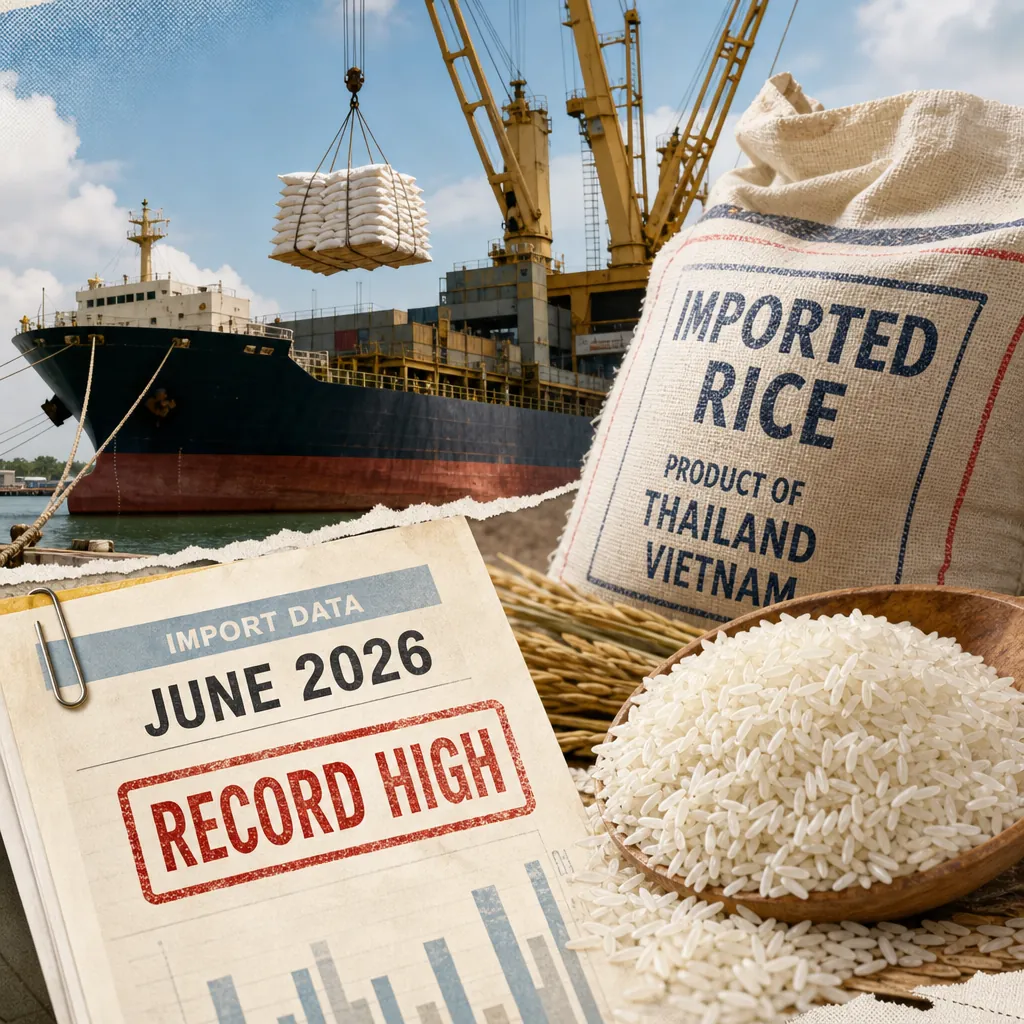
- Record rice imports signal food security pressures The Philippines imported 2.75 million metric tons of rice in the first half of 2026, the highest ever recorded for a six-month period. This surpassed the previous record of 2.34 million MT set in 2024 and marked a 20% increase from the same period last year. The Department of Agriculture attributed the surge to traders stockpiling amid high farm input costs and the anticipated El Niño phenomenon. The data, sourced from the Bureau of Plant Industry, was reported by both the Manila Times and Inquirer.
- P137 million in smuggled vapes seized at Manila port The Bureau of Customs announced the seizure of vape products worth approximately P136.9 million at the Manila International Container Port. Nine containers originating from China were misdeclared as various goods including cardboard boxes, kitchenware, and footwear. The BOC issued alert orders after receiving derogatory information, leading to a 100% physical examination. The story was covered by Inquirer, Philstar, and other outlets.
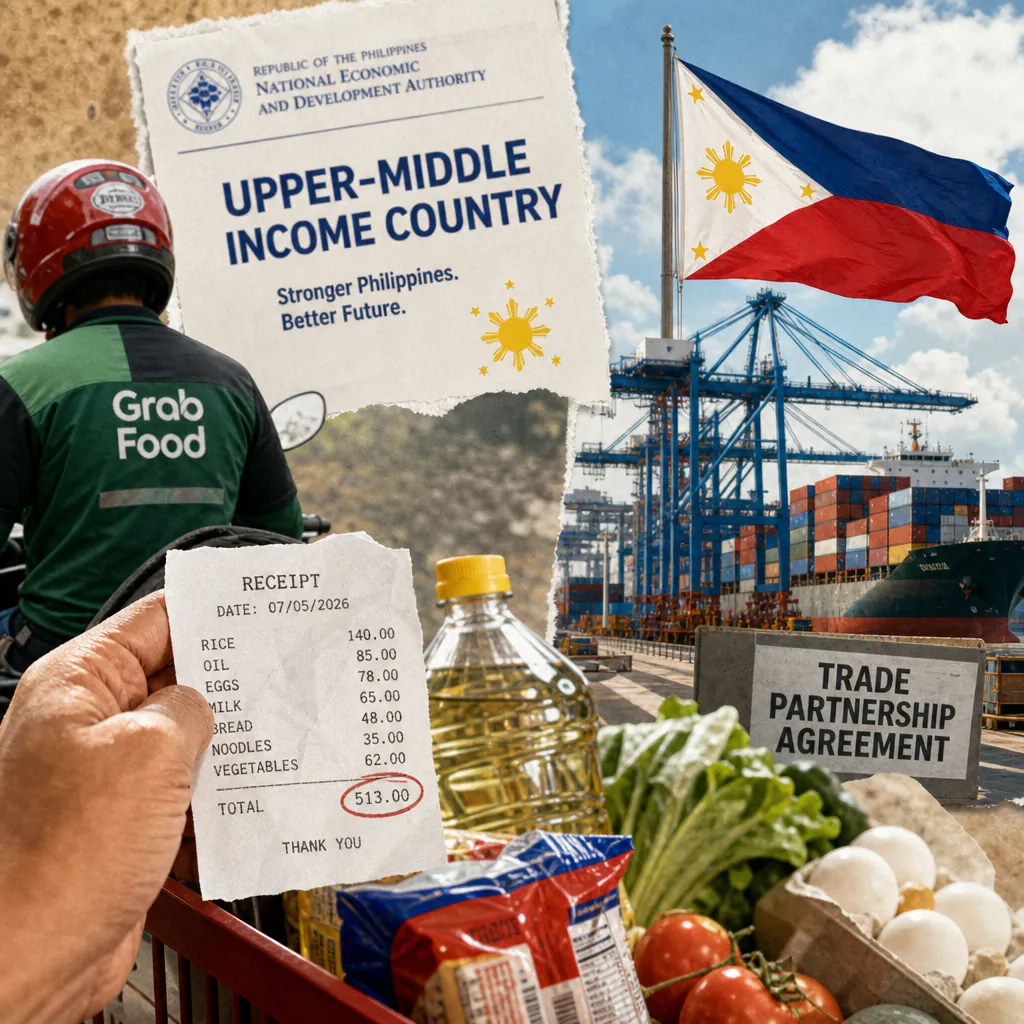
- Business name registrations up 4.82% in H1 The DTI reported 659,747 business name registrations from January to June 2026, up from 629,405 a year earlier. New registrations totaled 558,245, while renewals accounted for 101,502. However, June alone saw a sharp 48.25% decline to 37,041 registrations. Wholesale and retail trade dominated, followed by accommodation and food services. The data was covered by Inquirer and Manila Times.
- Canadian firms pledge over $130 million in IT-BPM investments Following President Marcos' visit to Canada, several Canadian companies announced investments and financing commitments worth $130.89 million (P8.34 billion) in the Philippines' IT-BPM and digital services sectors. Participating firms include BlackBerry, CGI, Everise, IntouchCX, Manulife, NQX, OpenText, Sun Life, and TELUS. OpenText separately plans to invest $8–10 million in a cloud transformation project with BDO Unibank. The DTI highlighted that these investments will create high-quality jobs and accelerate digital transformation.
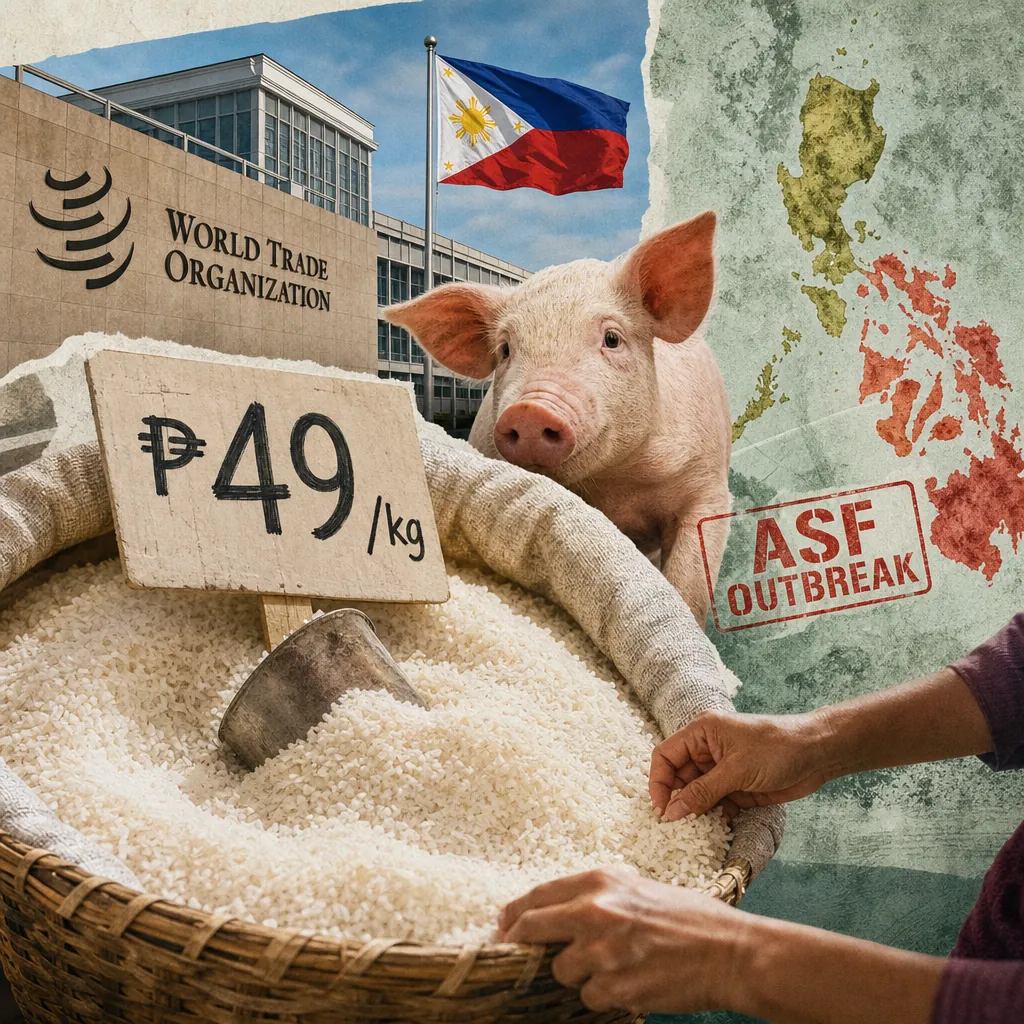
- Call for P50/kilo price cap on imported rice gains ground The National Price Coordinating Council has recommended extending the price cap of P50 per kilo on imported rice for another 60 days. Agriculture Assistant Secretary Arnel de Mesa said the proposal is awaiting review by the Office of the President. The cap aims to stabilize retail prices during the lean months and prevent alleged price manipulation by some retailers.
- Cebu bans hog, pork shipments from ASF-affected areas Cebu Governor Pamela Baricuatro signed an executive order imposing a 45-day ban on live hogs, fresh pork, and processed pork products from Negros Island and other areas affected by African swine fever. The ban aims to protect Cebu's P20-billion hog industry and its disease-free status. The order may be extended based on the outbreak situation.
- DTI Wedding Fair generates P141 million in sales The second DTI-Bagong Pilipinas Wedding Fair generated P141 million in combined cash, booked, and under-negotiation sales. The three-day event featured 107 MSMEs, up from 80 in the inaugural run. The fair expanded opportunities for local businesses in the bridal and events industry.
- Jollibee Group tops sustainability perceptions index again Jollibee Group ranked first among Philippine companies in the Brand Finance Sustainability Perceptions Index for the second consecutive year. The recognition reflects the company's efforts under its Joy for Tomorrow sustainability agenda, covering environmental, social, and governance pillars.
How the narratives stack
Dominant Within the captured set, the dominant narrative is the record rice imports and the government's response. This story received the most coverage across multiple outlets, with both Inquirer and Manila Times publishing detailed reports. The high volume of coverage, worth an estimated combined advertising-equivalent value of over P448,000, reflects the public's concern over food security and inflation. The narrative is framed around the challenges of agricultural productivity, the impact of weather patterns, and the government's reliance on imports to stabilize supply.
Counter-narrative A counter-narrative emerges from the DTI's report on rising business registrations and the successful wedding fair. These stories suggest that despite economic headwinds, entrepreneurial activity remains resilient. The DTI data shows a 4.82% increase in registrations, and the wedding fair's P141 million in sales indicates strong consumer demand for local products and services. This narrative counters the gloom of record imports and smuggling with a story of grassroots economic vitality.
Emerging An emerging narrative is the Philippines' positioning as a destination for high-tech investments, particularly from Canadian firms. The $130 million in pledges, including OpenText's cloud project with BDO, signals growing confidence in the country's digital economy. This story, covered by both Inquirer and Manila Times, aligns with the government's push to attract foreign capital and create high-value jobs. The narrative is still developing, as the actual impact of these pledges will depend on implementation.
Suppressed A story that received relatively less coverage is the Boracay dive cartel ruling by the Philippine Competition Commission. The PCC fined the Boracay Business Administration of Scuba Shops and 39 dive shops P2.17 million for operating an illegal cartel that fixed prices. This story, covered by BusinessMirror, is significant for consumer welfare and competition policy but was overshadowed by the bigger import and smuggling stories. The under-coverage may reflect the niche nature of the tourism sector story.
Platform insights
- Facebook: The story of the vape smuggling seizure generated significant engagement on Facebook, with users sharing the BOC's announcement and expressing frustration over smuggling. The post by Inquirer garnered hundreds of shares and comments, many calling for stricter enforcement. The emotional tone was one of anger and demand for accountability.
- X (formerly Twitter): On X, the rice import record and price cap discussion trended among agricultural and economic commentators. Users debated the effectiveness of price caps and the government's agricultural policies. The conversation was more analytical, with some users sharing data and historical comparisons.
- YouTube: No significant video content was captured in the monitoring, but the DTI's wedding fair and the Jollibee sustainability ranking may have been covered by lifestyle and business vloggers. The absence of major video coverage suggests these stories are primarily text-driven.
Key voices and communities
- Department of Agriculture (DA): The DA, through Assistant Secretary Arnel de Mesa, was the primary source for rice import data and the price cap proposal. The DA's framing emphasizes the need for imports to stabilize supply and prices, while also acknowledging the challenges faced by local farmers.
- Bureau of Customs (BOC): Commissioner Ariel Nepomuceno and the BOC were central to the vape smuggling story. The BOC's narrative highlights its vigilance and enforcement actions, positioning itself as a key player in protecting local industries and revenue.
- Department of Trade and Industry (DTI): The DTI was a key voice across multiple stories, including business registrations, the wedding fair, and Canadian investments. Secretary Cristina Roque's statements emphasize support for MSMEs and the government's efforts to attract foreign investment.
- Philippine Competition Commission (PCC): The PCC's ruling on the Boracay dive cartel positions it as a defender of consumer welfare. The commission's decision to fine the cartel sends a strong signal against anti-competitive practices.
- Jollibee Group: As the top-ranked Philippine company in sustainability perceptions, Jollibee's narrative focuses on corporate responsibility and long-term value creation. The company's Joy for Tomorrow agenda is a model for other firms.
Narrative streams
Record rice imports and food security
The Philippines imported 2.75 million metric tons of rice in the first half of 2026, the highest ever recorded for a six-month period, according to data from the Bureau of Plant Industry. This surpassed the previous record of 2.34 million MT set in 2024 and marked a 20.1% increase from the 2.29 million MT imported in the same period last year. The Department of Agriculture (DA) Assistant Secretary Arnel de Mesa described the increase as a "natural response" to challenges facing the agriculture sector, including high farm input costs and the anticipated El Niño phenomenon. The Rice Tariffication Law, enacted in 2019, liberalized rice trading and allowed private sector imports, which has led to higher import volumes in recent years. The DA also noted that the country faces the threat of La Niña, which could further affect domestic production. The story was covered by both Inquirer and Manila Times, with combined advertising-equivalent value of over P448,000, indicating significant editorial interest.
Smuggled vapes seized at Manila port
The Bureau of Customs (BOC) announced the seizure of vape products worth approximately P136.9 million at the Manila International Container Port. Nine containers originating from China were misdeclared as various goods including cardboard boxes, accessories, packaging bags, kitchenware, underwear, clothes hangers, shoe boxes, and footwear. BOC Commissioner Ariel Nepomuceno said the shipments were intercepted after alert orders were issued based on derogatory information. The BOC's Customs Intelligence and Investigation Service and Enforcement and Security Service conducted a 100% physical examination, revealing substantial quantities of vape kits, disposable vape devices, vape cartridges, and other products. The seizure highlights ongoing challenges in enforcing customs regulations and protecting local industries from illegal imports. The story was covered by Inquirer and Philstar, with combined advertising-equivalent value of over P319,000.
Business registrations rise despite June slump
The DTI reported that business name registrations rose 4.82% in the first half of 2026, reaching 659,747 from 629,405 a year earlier. New registrations totaled 558,245, while renewals accounted for 101,502. However, June alone saw a sharp 48.25% decline to 37,041 registrations from 71,578 in June 2025. Most registrations were filed online (550,333), while 101,595 were submitted through the hybrid system. Wholesale and retail trade accounted for the largest share (369,919), followed by accommodation and food services (89,232), real estate (36,524), manufacturing (34,146), and other service activities (27,330). By region, Calabarzon recorded the highest number (116,830), followed by Central Luzon (88,006), Metro Manila (85,021), and others. John Paolo Rivera, senior research fellow at the Philippine Institute for Development Studies, said the increase reflected the resilience of Filipino entrepreneurs despite economic headwinds. The story was covered by Inquirer and Manila Times.
Canadian investment pledges boost IT-BPM sector
Canadian companies announced investments and financing commitments worth $130.89 million (P8.34 billion) to expand their operations in the Philippines' IT-BPM and digital services sectors. The commitments were announced at a July 3 roundtable led by President Ferdinand Marcos Jr. and Trade Secretary Cristina Roque with major Canadian firms including BlackBerry, CGI, Everise, IntouchCX, Manulife, NQX, OpenText, Sun Life, and TELUS. Among the planned investments, OpenText intends to invest $8–10 million in a cloud transformation project with BDO Unibank Inc., while also supporting the government's digitalization efforts through AI-enabled citizen services, cybersecurity, and secure cloud infrastructure. The DTI said the investments are expected to create high-quality jobs, accelerate digital transformation, and strengthen the Philippines' position as a global technology hub. The story was covered by Inquirer and Manila Times.
Price cap on imported rice recommended for extension
The National Price Coordinating Council (NPCC) has recommended extending the price cap of P50 per kilo on imported rice for another 60 days. Agriculture Assistant Secretary Arnel de Mesa said the proposal is awaiting review by the Office of the President. Agriculture Secretary Francisco Tiu Laurel Jr. had earlier recommended the two-month price ceiling to avoid retail price hikes during the lean months, noting that some retailers were allegedly taking advantage of the situation to raise prices. The price cap was initially imposed for 30 days and has now been proposed for extension. The story was covered by Inquirer.
Cebu bans pork from ASF-affected areas
Cebu Governor Pamela Baricuatro signed Executive Order No. 39 imposing a 45-day ban on the entry of live hogs, fresh pork, and processed pork products from Negros Island and other areas affected by African swine fever (ASF). The ban aims to protect Cebu's P20-billion hog industry and its disease-free status. The order may be extended or modified based on the outbreak situation and recommendations from the DA and Bureau of Animal Industry. The ban was prompted by the continued spread of ASF in Negros Island and other parts of the Visayas. The story was covered by Inquirer.
DTI Wedding Fair generates P141 million in sales
The second DTI-Bagong Pilipinas Wedding Fair generated P141 million in combined cash, booked, and under-negotiation sales. The three-day event, organized by the DTI's Competitiveness and Innovation Group, brought together 107 micro, small, and medium enterprises (MSMEs) at the SMX Convention Center in SM Aura Premier. The fair expanded from its inaugural run, which featured 80 MSMEs and recorded P113 million in sales. This year's event also welcomed 27 first-time exhibitors. The initiative stemmed from the shared vision of DTI Secretary Cristina A. Roque and Assistant Secretary Nylah Rizza D. Bautista to help MSMEs expand into larger markets. The story was covered by Daily Guardian and Sunstar.
Jollibee Group tops sustainability perceptions index
Jollibee Group ranked first among Philippine companies in the Brand Finance Sustainability Perceptions Index for the second consecutive year. According to the Brand Finance Philippines 50 2026 report, Jollibee Group led Filipino companies in perceptions of sustainability across all three environmental, social, and governance pillars. The recognition reflects the company's consistent efforts under its Joy for Tomorrow sustainability agenda, which includes initiatives such as installing 16,500 solar panels at its Canlubang Laguna commissary. The story was covered by LionhearTV.
Conversation trajectory
Over the next 4–6 weeks, the rice import story is likely to remain in the spotlight as the government decides on the price cap extension and as the El Niño phenomenon develops. The DA's data on import volumes and domestic production will be closely watched. The vape smuggling seizure may lead to further investigations and calls for stricter enforcement, potentially affecting trade relations with China. The Canadian investment pledges are expected to materialize over the next 6–12 months, with progress reports likely to generate positive coverage. The business registration data suggests continued entrepreneurial activity, but the June slump bears watching as a potential early warning of economic slowdown. The ASF ban in Cebu may be extended if the outbreak spreads, impacting pork prices and trade. Trigger events include the Office of the President's decision on the rice price cap, the release of June inflation data, and any new ASF outbreaks.
Response guidance
Communicators in the agriculture sector should proactively address food security concerns by highlighting government programs to support local farmers and stabilize prices. For the BOC and customs-related stakeholders, the vape seizure provides an opportunity to showcase enforcement efforts and call for public support in combating smuggling. The DTI can leverage the business registration and wedding fair stories to promote MSME development programs and encourage entrepreneurship. Companies in the IT-BPM sector should highlight the Canadian investment pledges as a vote of confidence in the Philippines' digital economy. On the sustainability front, Jollibee's recognition offers a template for other firms to communicate their ESG efforts. Sensitive topics include the impact of rice imports on local farmers and the potential for price manipulation; communicators should emphasize data-driven narratives and avoid defensive tones.
Want this kind of intelligence on your brand?
This brief is built on the same MediaWatch methodology that runs continuously across every brand we monitor. See your competitive landscape, Impact Score, and narrative trajectory in a 30-minute demo.